

Collective financing or crowdfunding has made an interesting journey since its inception in the digital age. The Marillion, a British music band, was able to raise 60, 000 dollars in the year 1997 with the help of their web site, which was a pioneer in this idea. But it was in 2009 when the game changer came along in the form of new platforms such as Kickstarter that raised more than 4,500 billions in 10 years. Crowdfunding has become an ecosystem today, extending beyond creative projects to tech start-ups, social causes, and real estate. Crowdfunding’s impact on the global startup scene is especially notable, offering new access to funding and support.
According to the Statista Crowdfunding Report in 2020, the total size of the global market was around 13.9 billion dollars, which is likely to keep growing steadily, and thus surpass 28 billion by 2025. In the new reality, conventional crowdfunding sites have leveled the playing field between investors and entrepreneurs and creators globally. According to a research developed by the University of Cambridge in 2021, 62 percent of entrepreneurs that tried crowdfunding as a source of finance believed that positively changing their communities was a positive impact.
The Impact of Crowdfunding on Startups
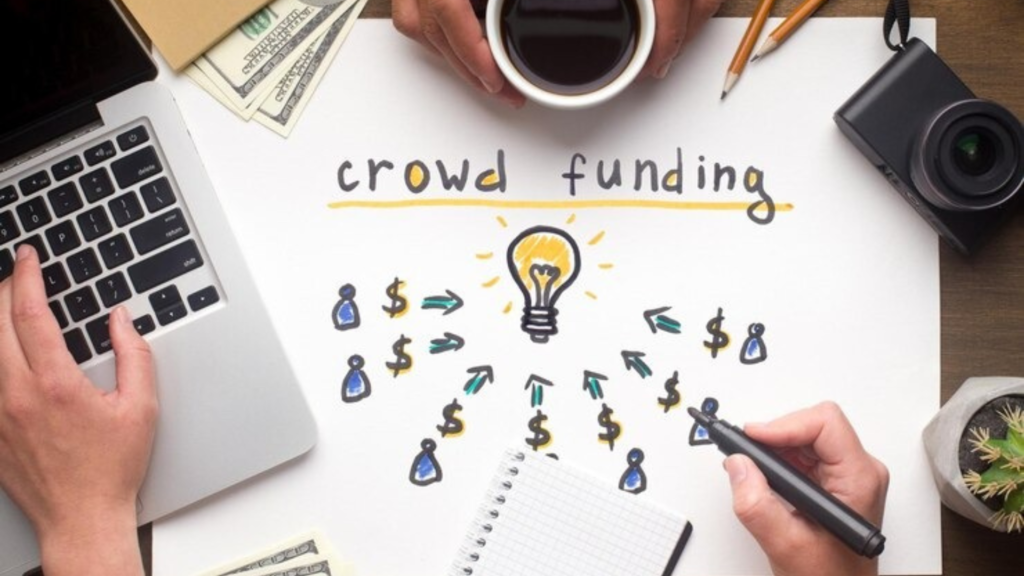
In addition, the report notes that half of all successful projects on such platforms as Indiegogo and GoFundMe exceeded their fundraising target which signifies not only the success of a crowdfunding approach but also the attention the community pays to innovation and sustainability. At the time of the need of people to get not only products but the reflection of their spirit, crowdfunding appears as a driving force on the way to social change and business modernization that makes all people welcome to join the company. The crowdfunding industry has a world of different platforms serving.
The requirements of entrepreneurs, investors and creatives. Some of the most notable kinds of platforms belong to reward-based platform where the donor is rewarded by receiving the products or service with their support, as shown in the example of the most successful platform, Kickstarter, which has been supporting more than 500,000 projects ever since it was first launched in the year 2009.
Crowdfunding Platforms and Their Impact on Startups

Investment crowdfunding on the other hand has gained speed in the financial world, where investors can purchase share of the startups in accordance to their investment. The increasing interest in startups was estimated at approximately $1.1 billion in 2021 only in the United States by a report published by Fundable. In mind of the fact that platforms such as Indiegogo and SeedInvest have.
Contributed to the success of new businesses crowdfunding it is possible to conclude that in addition to the fact that crowdfunding democratzes access to capital it threw open new opportunities not only to entrepreneurs but also to investors and radically changed the paradigm of business financing. The world of financing a startup has been changed dramatically by crowdfunding, providing an alternative to classic investment rounds.
Pros of Crowdfunding for Startups

This has enabled the entrepreneurs of different industries to not only attain capital, but also test their ideas with the real audience before taking their products to the market. Events such as the one about the success of Pebble Technology that collected more than 10 million dollars on Kickstarter, show how mutual funds can fuel the flame of success and prove the need of a certain product even before it reaches the stores. In addition to the figures, crowdfunding presents a puzzle of opportunities to the entrepreneurs. A research study by the University of Cambridge indicated that almost.
70% of startups that utilize crowd funding platforms manifest an enlargement in visibility and brand recognition despite the incapability to reach the funding goal. In addition, the same research indicates that entrepreneurial firms which use the crowdfunding approach as a form of financing are more likely to succeed within the first years of operation by 50 percent than those which solely depend on the conventional forms of investment.
Conclusion

Reality and provide the entrepreneurs to determine which way their project is taking in competition ecosystem. Consider a case of a young designer, Clara, who chose to start her own sustainable fashion branch, and launched her campaign via a crowdfunding platform. Clara connected with her audience through Instagram and Facebook, instead of conventional methods of advertising, whereby she shares the story behind her ideas and proves the creative process.
That gives birth to every garment. It proves that digital platforms do not only enhance the level of visibility but also open up an opportunity to make deeper emotional contact between creators and their possible backers. These figures speak in favor of this powerful approach: a report by Statista shows that out of all the supporters of crowdfunding projects in 2021, 54 percent of them.